Artificial Intelligence
Our new AI business directory: starting with clinics
Why we are building a more useful clinic directory, what its Website Essentials checks mean and how AI-supported monitoring can help business owners spot digital problems sooner.
Why we are building the Marketing.clinic directory
A website can look professional and still let its customers down. The information might be out of date, the booking journey might be broken, or there could be a technical or security issue the owner does not know about. That is why we are building the Marketing.clinic business directory.
The first release brings together source-checked clinic identities, locations, contact details, services and regulatory links where they are available. It also gives us a useful foundation for responsible, repeatable website checks. The aim is not to create pages for their own sake. A listing should help a visitor understand the business and give its owner a practical view of what needs attention online.
A malware-reported website in our first 150 listings
During our initial directory work, one clinic website was reported as infected with malware. We removed the website and booking links, excluded the listing from public directory results and prevented automated jobs from fetching or restoring the address. This is a reported infection rather than an independent forensic diagnosis, but it is sufficient reason not to send visitors there while the risk remains unresolved.
When someone visits a clinic website, they may be researching a treatment, making an enquiry or preparing to share personal information. They expect the business to take care of that experience. A website can load and look normal without revealing everything happening underneath it. For owners, that raises an uncomfortable but important question: if something goes wrong on your website today, how quickly would you know?
What will the AI-supported directory check?
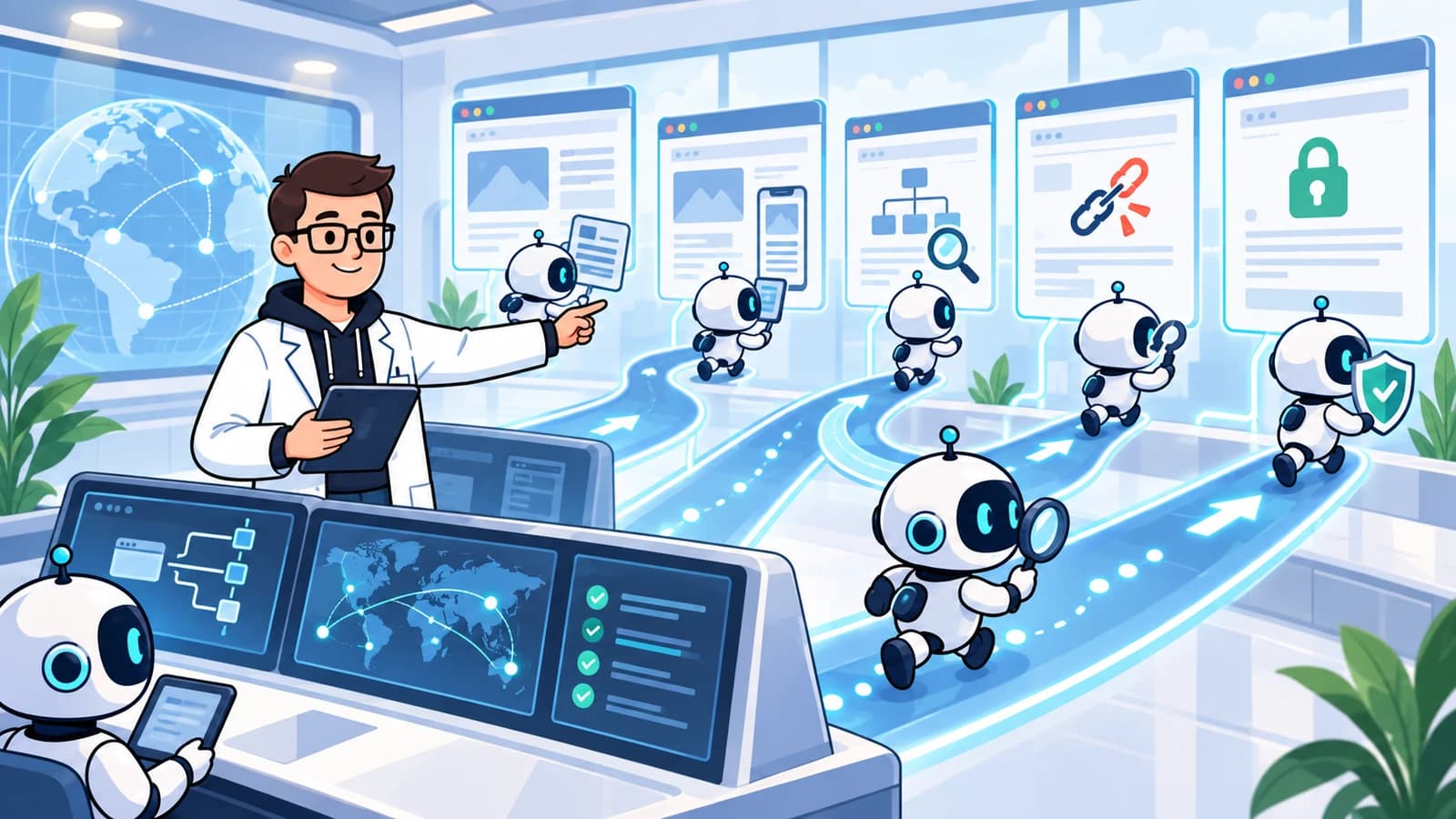
The directory currently publishes a transparent Website Essentials assessment made up of objective public checks. As the system develops, AI-supported reviews can help organise wider evidence about information quality, usability, conversion journeys, search readiness and observable website-health warnings. Human review remains important wherever a finding could affect a business or a visitor.
The purpose is to make findings understandable. A business owner needs to know what was spotted, why it matters, when it was checked and what should be investigated next.
- Information quality: whether important business and service details are clear, consistent and showing signs of being out of date.
- Design and usability: how easily people can read, navigate and use the website, particularly on mobile devices.
- Conversion journeys: whether visitors can find a useful next step, make an enquiry or reach a booking route without unnecessary friction.
- Search readiness: public technical and content signals that help search engines access and understand pages.
- Website health: observable faults or warnings that need investigation, without presenting an automated scan as a security guarantee.
What does the Website Essentials score mean?
The current score summarises ten public website checks: reachability, HTTPS, page title, meta description, canonical URL, mobile viewport, H1 heading, homepage indexability, robots.txt and XML sitemap. Each check carries the same weight, the individual results are visible, and older assessments are hidden until refreshed.
For clinics, the distinction is especially important. This score does not measure medical care, verify every treatment claim, rank clinics in search results or replace checks on a practitioner's qualifications. It is not an endorsement or a patient-review score. A scan also cannot guarantee that a website is secure. It reflects the stated checks and evidence available on the assessment date.
Why we started with clinics
Clinic websites have an important job before anyone picks up the phone. They need to explain services clearly, help people understand their options and make it easy to contact the right team. Practitioner information, treatment availability, locations and contact routes all need ongoing attention. A polished design is only one part of that job.
Starting with clinics gives us a focused category in which to improve the checks, source handling and correction process before the directory expands into other business sectors. It also lets owners claim or correct information rather than leaving public-source data unchallenged.
From a one-off review to regular website checks
Most business owners are busy running the business. They do not have time to inspect every page, test every link and watch every technical change. Our wider work involves configuring AI to support regular website checks, flag information that needs review and identify opportunities to improve usability, search visibility and enquiries.
This is part of our AI Webmaster approach: AI can collect evidence, monitor agreed signals and prepare recommendations, while people decide what those findings mean and approve important changes. Finding a problem is only the starting point. Keeping a website accurate, accessible and dependable requires clear ownership and action.
Add your business and keep its information accurate
We are starting with clinics and will expand into more categories as the directory develops. Clinic owners and authorised representatives can add a business, claim an existing profile or submit a correction. Every submission is reviewed before publication, and consent to receive marketing or audit information is separate and optional.
You put time and money into helping people find your website. It makes sense to know what they find when they arrive and to make sure the directory information around your business is accurate.
Want this checked on your own website?
Our free scan reviews the fundamentals covered here — and a specialist reviews the findings before anything is sent to you.